Why Your Business Needs Professional Video Content in 2027

Think about the last time you discovered a business online. Did you read every word on its website, or did you watch a video, scroll through a few photographs, and form an opinion before ever speaking to someone?
For many customers, that first impression happens long before they walk through the door.
As we head into 2027, businesses have more opportunities than ever to reach customers through video. Instagram, Facebook, YouTube, TikTok, and business websites all provide ways to show people what makes a company different. But simply posting videos isn't the same as having a video marketing strategy.
I've spent more than 20 years working in digital marketing, and one thing I've learned is that content needs a purpose. A great photograph or video should do more than look good. It should communicate something about the business and give customers a reason to pay attention.
Here's why I believe professional video deserves a place in your marketing strategy for 2027.
1. People Want to See the Business Behind the Brand
A website can tell customers what a business does. Video can show them.
For a restaurant, that might mean watching a chef prepare a signature dish, seeing a bartender create a cocktail, or getting a look inside the kitchen during service. For a fishing charter, it could mean watching the crew prepare for a trip, seeing the action offshore, or experiencing what a day on the water actually looks like.
For a local business, it might be as simple as introducing the owner and showing the people who make everything happen. These are the moments that give a business personality, and they don't always need to be scripted.
Some of the strongest content comes from documenting real people doing what they do every day. The goal isn't to make your business look like something it's not. It's to help customers understand what makes it worth visiting, hiring, or experiencing.
2. Authentic Video Helps Build Trust
Customers are exposed to advertising constantly. They see polished promotional campaigns, sponsored posts, and increasingly, AI-generated imagery. That makes authentic content especially valuable.
When customers see real employees, real products, and actual experiences, they're getting a clearer picture of the business they're considering.
Professional production still matters. Good framing, lighting, sound, and editing help communicate the story, but those techniques should support the experience rather than overpower it.
My approach to video production focuses on capturing the people, details, and moments that make each project unique. Sometimes that involves a planned interview or instructional video. Other times, it's about being in the right place when something interesting happens. Both approaches have value.
3. One Event Can Tell Several Different Stories
One of the things I enjoy about content creation is finding different ways to document the same experience. A good example is the Ocean Springs Witches Ride.
During the event, I used different cameras to capture the atmosphere, participants, and behind-the-scenes moments. My Insta360 footage provided a wider perspective of the event, showing the riders, costumes, crowds, and overall atmosphere.
I also captured first-person footage documenting parts of my photography process, including interactions with participants and the experience of working during the event.
These perspectives tell different parts of the same story. The Insta360 video helps viewers experience the event itself, while the behind-the-scenes footage gives viewers a look at how the event is documented. The photographs provide individual moments that can be shared independently.
For an event organizer, that kind of coverage creates more than a single recap. It can provide material for social media, websites, future event promotion, and ongoing marketing.
4. One Production Can Create Weeks of Marketing Content
Businesses often think about video production as creating one finished video, but a well-planned shoot can produce much more.
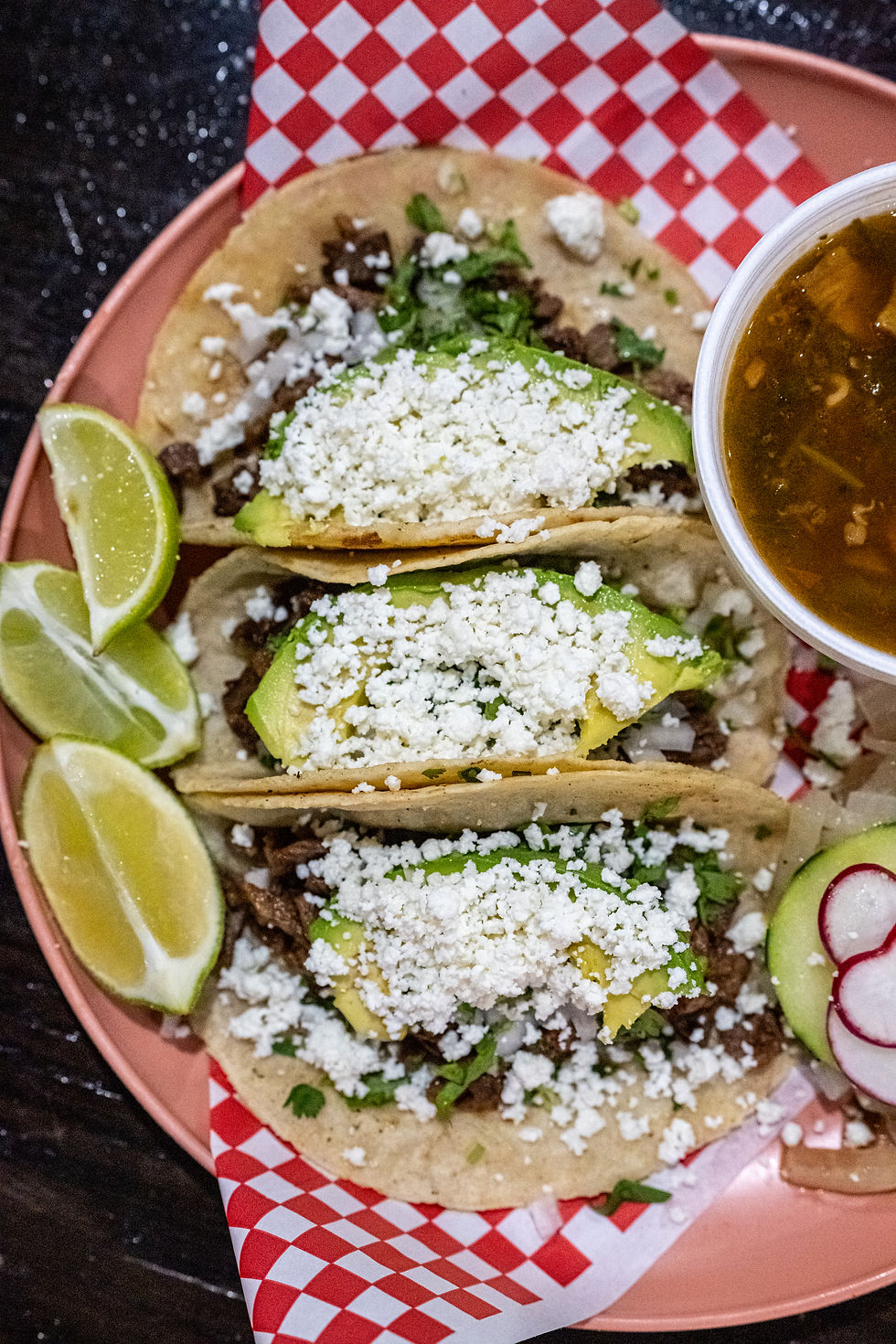
Consider a restaurant preparing for a busy weekend. During one production session, I might capture food preparation, cooking techniques, finished dishes, staff interactions, and short interviews.
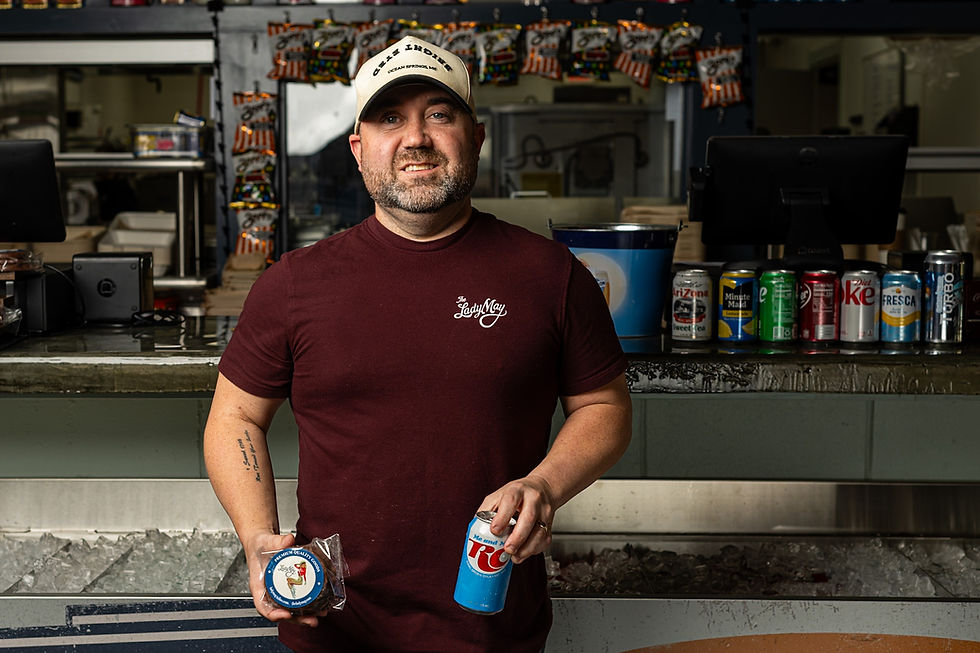
Depending on the project, that material could become a promotional video for the website, several short Instagram or Facebook reels, behind-the-scenes clips, individual videos highlighting menu items, and additional footage for future promotions. When photography is included, the business can also receive images for social media and advertising.
Instead of scheduling a separate shoot every time the business needs a new post, it has a collection of original content to work with.
This is where planning makes a difference. Before filming, I want to understand where the content will be used and what the business wants to accomplish. That helps determine which shots matter and how we can get the most value from our production time.
5. Video Gives Your Business More Ways to Reach Customers
Not every video belongs on every platform. A short vertical reel might be ideal for introducing a restaurant's newest dish, while a longer instructional video could help customers understand a product or service.
An event recap might work across Facebook, Instagram, and a business website. A drone fly-through could give potential customers a better understanding of a venue or property.
The important thing is creating content with the intended audience and platform in mind.
I don't believe businesses should produce video simply because an algorithm might favor it. They should produce video because it helps communicate something useful, interesting, or memorable.
When content is planned around a clear goal, it's easier to decide where it belongs and how it should be presented.
6. Your Website Can Benefit From Video, Too
Social media isn't the only place video can make a difference. Your website is often where potential customers go when they're seriously considering your business.
Video can help answer questions that photographs and written descriptions don't fully address.
A short business introduction can show visitors who they'll be working with. A restaurant video can communicate the atmosphere and dining experience. An FPV drone fly-through can show the layout of a venue or commercial property. An instructional video can explain a process or demonstrate a product.
Video shouldn't replace professional photography or useful website content. It should complement them.
The goal is to help visitors understand your business and make an informed decision. It's also important to use video responsibly on a website. Large files, unnecessary autoplay, and poor mobile performance can create problems.
A useful video that loads efficiently is better than an impressive one that makes the website difficult to use.
7. Professional Video Is About More Than the Camera
Almost everyone carries a capable video camera in their pocket, and sometimes a smartphone is the right tool for the job.
I use different cameras depending on the assignment, including traditional cameras, drones, 360-degree cameras, and wearable cameras. Each provides a different perspective, but the equipment is only part of the process.

Professional video production also involves understanding lighting, audio, composition, editing, and how the finished content will be used.
Just as importantly, it requires understanding the business. What are we trying to communicate? Who are we trying to reach? What should someone understand or do after watching?
My background in digital marketing influences how I approach those questions. I don't want to create footage simply because it looks interesting. I want to create content that serves a purpose.
8. Original Content Matters in an AI-Driven World
Artificial intelligence is becoming part of everyday marketing workflows. It can help businesses brainstorm ideas, write copy, organize content, and streamline parts of the editing process.
But there's still a difference between generating an image of a business and documenting the real thing.
An AI-generated restaurant scene doesn't show your actual kitchen. A synthetic fishing video doesn't document your crew offshore. A generated event recap doesn't preserve what happened at your event.
Original photography and video provide a visual record of real people, places, and experiences.
As AI-generated content becomes more common, I believe authenticity will remain an important way for businesses to distinguish themselves.
Technology will continue to evolve, but customers will still want to know who they're dealing with and what they can expect.
9. You Don't Need a Massive Production Budget
Professional video doesn't automatically mean a large crew, elaborate equipment, or a complicated commercial production. A small business might need a short introduction video and a handful of reels. A restaurant might benefit from regular content sessions featuring its food, staff, and atmosphere. An event organizer might need coverage that can be repurposed to promote the following year's event. The right approach depends on the business and its goals.
Sometimes a focused shoot with a clear plan can produce more useful marketing material than a larger production without a defined purpose.
I'd rather create content a business can consistently use than produce something that looks impressive but never gets published.
Planning Your Business Video Content for 2027
If you're thinking about your marketing for the coming year, start by looking at the content you already have.
Does your website show what your business actually looks like? Do your social media channels introduce customers to the people behind your products and services? Are you consistently sharing original content, or are you struggling to find something to post?
Could a planned photography and video session provide material for several weeks of marketing?
These are the questions worth answering before investing in another production.
You don't need to film something every day. You need a practical approach to creating content that supports your business.
Professional video can be part of that approach, especially when it's combined with strong photography, useful information, and a clear marketing strategy.
Let's Create Something Worth Sharing
I'm Fred Salinas, a professional photographer, videographer, FAA Part 107 drone pilot, and digital content creator based in Ocean Springs, Mississippi.
With more than 20 years of digital marketing experience, I work with businesses, restaurants, brands, and event organizers to create original photography and video content for websites, social media, and marketing campaigns.
From behind-the-scenes coverage and promotional videos to social media reels, event recaps, and drone footage, I focus on creating content that tells real stories and serves a purpose.
Planning your marketing for 2027? Visit www.fredsalinas.com to explore my work and request a project quote.
Comments